


World-class, trusted spine care on Long Island personalized to you
“I customize each treatment plan to each patient’s needs”
Advanced minimally invasive spine surgical options
-
Endoscopic spine surgery is a minimally invasive surgical technique that addresses spinal conditions while minimizing trauma to surrounding tissues. Unlike traditional open surgery, which requires larger incisions and more extensive dissection, endoscopic spine surgery uses small incisions and specialized instruments, including an endoscope, to visualize and treat the affected area. This helps accurately target spinal abnormalities, such as herniated discs, spinal stenosis, or nerve compressions, with minimal disruption to muscles and soft tissues.
Advantages of endoscopic spine surgery include:
Reduced recovery times
Less operative and postoperative pain
Smaller incisions
Dr. Ju has undergone extensive training to deliver advanced care to his patients. He utilizes endoscopic technology to perform the following procedures:
Transforaminal Endoscopic Discectomy: A procedure for removing herniated disc material through a small incision using endoscopic tools.
Medial Branch Transection: A minimally invasive treatment for chronic back pain caused by facet joint issues.
Interlaminar Endoscopic Discectomy: A technique for removing herniated disc material in the lumbar spine through a small incision.
-
Microscopic tubular decompression is an alternative to a traditional open laminectomy or lumbar decompression. The goal is to decompress the painful nerve to reduce pain and disability from sciatica, numbness, tingling, and spinal stenosis. This is performed via a minimally invasive 1 inch incision with a small tubular retractor and microscopic instruments for a targeted strike. A high definition neurosurgical microscope is used for optimal visualization and safety. The following procedures can be performed via microscopic decompression:
Partial laminectomy
Microdiscectomy
Foraminotomy
-
Artificial disc replacement is a surgical procedure to remove the diseased or damaged intervertebral disc and replace it with an artificial joint. Artificial disc replacement reduces or eliminates pain, restores spinal movement, and improves quality of life. Just like a hip or knee replacement, the discs of the spine can be replaced instead of fused.
Unlike spinal fusion surgery, artificial disc replacement allows the vertebral bones to move, to twist, and to bend. Thus, artificial disc replacement preserves range of motion in the spine.
Cervical Artificial Disc Replacement (CADR):
Surgical solution designed for patients with degenerative disc disease or disc herniations/nerve pinching in the neck. By preserving natural mobility and minimizing the risk of adjacent segment disease, CADR offers significant benefits such as reduced pain and improved function.Lumbar Artificial Disc Replacement (LADR):
Surgery tailored for individuals experiencing degenerative disc disease, nerve pinching, or disc herniations in the lower back. Through its focus on restoring or maintaining lumbar spine motion, LADR provides benefits like pain relief, enhanced mobility, and a quicker recovery compared to fusion procedures.Dr. Ju customizes each surgery to match each patient’s anatomy to the optimal disc replacement device, including:
Prodisc C vivo
Prodisc C SK
Prodisc L
Simplify
Mobi-C
Many—but not all—people are candidates for artificial disc replacement surgery.
-
Spinal fusions are sometimes needed to reconstruct the spinal column - such as correct scoliosis and kyphosis (misaligned bones), stabilize unstable spinal segments (e.g. spondylolisthesis), and increase the space between the bones (for bone-on-bone degenerative disc disease).
Anterior Cervical Discectomy and Fusion (ACDF), also referred to as anterior cervical decompression, is a minimally invasive surgery to remove a herniated or degenerative disc in the neck. The procedure is performed through the front of the neck to give the surgeon better access to the spine and to provide the patient with less post-operative pain. This surgery is performed to alleviate pain, weakness, numbness and/or tingling caused by pressure on the spinal cord or nerve root. ACDF can be done on one or multiple levels of the cervical spine.
Anterior Lumbar Interbody Fusion (ALIF) is used to treat lower back pain and nerve pain for degenerative spine conditions. During the procedure, the surgeon uses a minimally invasive approach to the front of spine through the abdomen instead of the traditional large incision in the lower back. A 3D printed titanium spacer is inserted into the damaged disc space. This will help to restore the normal disc height and alignment and open up the nerve tunnels to alleviate nerve pain. ALIF is sometimes combined with a minimally invasive posterior approach to provide the patient with more stabilization for healing.
Transforaminal lumbar interbody fusion (TLIF) is a type of surgical spinal fusion that is used to restore disc height and permanently fuse damaged or misaligned vertebrae, eliminating abnormal movement and reducing pain and nerve pressure. TLIF is often recommended to treat back or leg pain caused by conditions such as spondylolisthesis, degenerative disc disease or recurrent disc herniations. Performed through the posterior (back) of the spine with two minimally invasive small incisions, the damaged disc is partially removed and an implant is inserted in the empty disc space to restore normal disc height and take pressure off the nerve roots. Surgical hardware such as pedicle screws and rods as well as bone graft are placed on the sides of the spine to further stabilize and fuse the spine.
Extreme lateral interbody fusion (XLIF) is a minimally invasive fusion procedure to reconstruct the lumbar spine due to abnormal shifting (e.g. spondylolisthesis) or bone-on-bone disc collapse. The procedure is performed through a small incisions on the patient’s side, avoiding and sparing the major muscles of the back, as well as ligaments and bones. Using advanced nerve monitoring technology and special instruments, the damaged disc is removed and a 3D printed spacer is placed into the disc space. This will help realign the vertebral bones and lift pressure from nerve roots that are pinched. Depending on the patient’s condition, screws, plates and rods may also be used to support and stabilize the fusion.
Minimally invasive posterior cervical fusion (PCF) is a minimally invasive way to stabilize the cervical spine through the back of the neck. This is most often done for patients who have persistent pain after prior anterior fusion (ACDF) due to incomplete bone healing, also called pseudoarthrosis. This surgery is performed through two small one-inch incisions on the back of the neck to put small metal spacers into the joints of the cervical spine to further stabilize the segment. This avoids the traditional large open midline incision and most patients can go home the same day.
-
Robotic spine surgery is a way to accurately place spinal implants in a minimally invasive fashion. Using a 3D CT scan, the robot can be used to place screws and guide other instrumentation placement with utmost accuracy and minimize soft tissue trauma and incision length.
Dr. Ju uses the Globus Excelsius Robot
-
Pain from sacroiliac joint dysfunction can be felt in the lower back or spine, buttocks, pelvis, groin, or sometimes in the legs. People with SI joint dysfunction can experience pain and impaired function. It's important to note that SI joint pain symptoms can be similar to those of other conditions of the lumbar spine, pelvis, and hip, and you will need an SI joint examination to properly diagnose the origin of the pain.
If you have been diagnosed with SI joint dysfunction, which can lead to one or both of the SI joints becoming painful, we first recommend nonsurgical treatments, such as medications, physical therapy, or steroid injections. If those non-surgical treatments fail to provide relief, minimally invasive SI joint fusion is a safe and effective procedure to relieve SI joint pain.
Minimally invasive surgery (MIS) or SI joint fusion requires a small 2 inch surgical incision. The procedure typically involves inserting three 3D printed screw implants across the SI joint to fuse and stabilize it. Most patients can go home the same day.
Dr. Ju uses the SI-bone system, who makes the only clinically proven minimally invasive solution for SI joint fusion, available since 2009.
All Services
Spine Conditions
Adjacent Segment Disease
Ankylosing Spondylitis
Annular Tear
Back Pain
Car Accidents
Cauda Equina Syndrome
Cervical Myelopathy
Cervical Radiculopathy
Degenerative Disc Disease
Disc herniation / Herniated Discs
Facet cyst
Failed Back Syndrome
Flat Back Syndrome
Pseudoarthrosis
Kyphosis
Lumbar Radiculopathy
Lumbar Strain
Neck Pain
Osteoarthritis of the Spine
Scheuermann’s Kyphosis
Sciatica
Scoliosis
Second Opinion
SI Joint Dysfunction / SI Joint Pain
Spinal Cord Injury
Spinal Deformity
Spinal Fractures / Compression Fractures
Spinal Infection
Spinal Stenosis
Spine Trauma
Spine Tumors
Spine Work Injuries
Spondylolisthesis
Spondylolysis
Sports Injuries
Thoracic Radiculopathy
Whiplash
Surgical Treatments
Anterior Cervical Corpectomy
Anterior Cervical Discectomy and Fusion (ACDF)
Anterior Lumbar Interbody Fusion (ALIF)
Artificial Disc Replacement / Disc Arthroplasty
Cervical Disc Replacement / Arthroplasty
Cervical Foraminotomy
Cervical Hybrid
Cervical Laminoplasty
Computer Guided Navigation
Discectomy
Endoscopic Spine Surgery
Foraminotomy
Interbody Fusion
Kyphoplasty
Laminectomy / Laminotomy
Lateral Lumbar Interbody Fusion (XLIF)
Lumbar Laminectomy
Lumbar Microdiscectomy
Lumbar artificial disc
Microdiscectomy / Discectomy
Minimally Invasive Spine Surgery
Mobi-C cervical artificial disc replacement
Posterior Cervical Fusion
Prodisc artifical disc replacement
Revision Spine Surgery / Redo Spine Surgery
Robotic Spine Surgery
Scoliosis Correction
SI Joint Fusion
Spinal Decompression
Spinal Fusion
Spine Osteotomy
Total Disc Replacement
Transforaminal Lumbar Interbody Fusion (TLIF)
Tubular Decompression
Tumor & Mass Resection

Less pain, more living
If you or a family member is hospitalized with a spine, neck, or back issue, Dr. Ju can see you at the below hospitals. Please call our office and ask for a consultation.

St. Francis Hospital & Heart Center
Catholic Health
Roslyn, NY
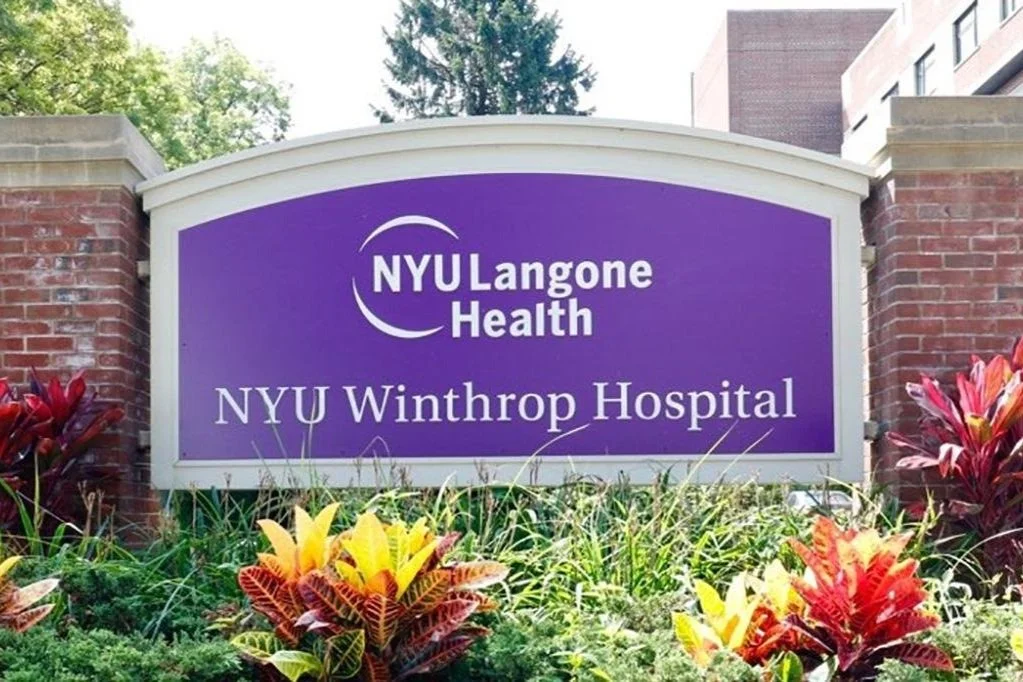
NYU Langone Hospital - Long Island
NYU Winthrop Hospital
Mineola, NY
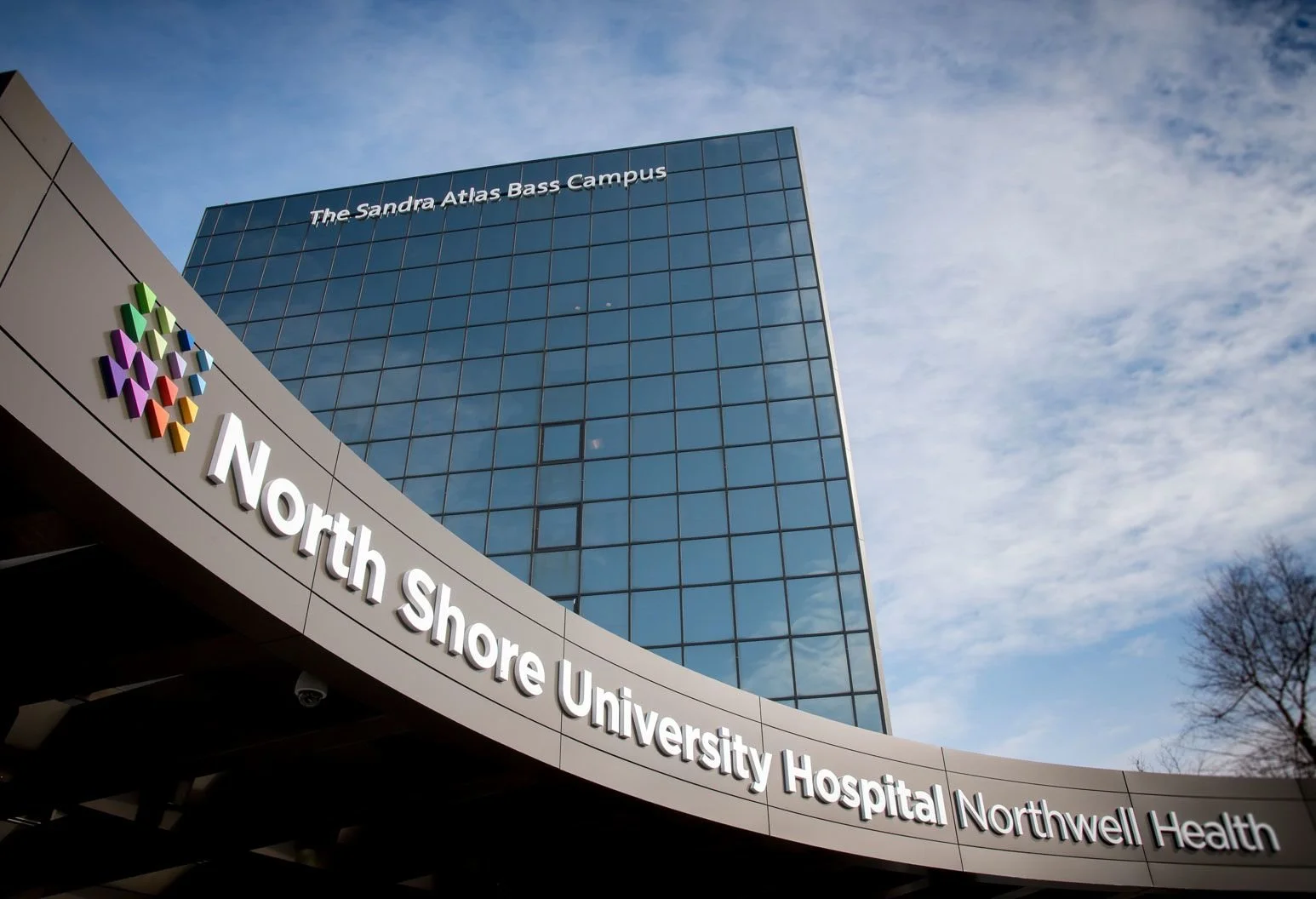
North Shore University Hospital
Northwell Health
Manhasset, NY
Proudly serving Long Island and Greater NYC
Nassau County: Baldwin, Bayville, Bellmore, Bethpage, Centre Island, East Hills, East Meadow, Elmont, Farmingdale, Floral Park, Franklin Square, Freeport, Garden City, Glen Cove, Great Neck, Hempstead, Hicksville, Inwood, Jericho, Kings Point, Lake Success, Levittown, Long Beach, Lynbrook, Malverne, Manhasset, Massapequa, Merrick, Mineola, Muttontown, New Hyde Park, North Bellmore, North Hempstead, Oceanside, Old Westbury, Oyster Bay, Plainedge, Plainview, Port Washington, Rockville Centre, Roosevelt, Rosyln, Sands Point, Sea Cliff, Seaford, Syosset, Valley Stream, Uniondale, Wantagh, Westbury, Williston Park, Woodbury, Woodmere
Suffolk County: Amityville, Babylon, Bay Shore, Blue Point, Bohemia, Brentwood, Brookhaven, Centereach, Central Islip, Commack, Deer Park, Dix Hills, Farmingville, Fort Salonga, Great River, Hauppauge, Holbrook, Huntington, Huntington Station, Islip, Kings Park, Lindenhurst, Lloyd Harbor, Melville, Northport, Patchogue, Riverhead, Ronkonkoma, Sayville, Smithtown, Shelter Island, South Huntington, Southampton, Southold, St. James, Stony Brook, West Babylon, West Islip, Wyandanch
New York City: Bronx, Brooklyn, Manhattan, Staten Island, Queens (Astoria, Bayside, Bay Terrace, Bellerose, Briarwood, College Point, Douglaston, Elmhurst, Forest Hills, Flushing, Glendale, Hollis, Jackson Heights, Jamaica, Kew Gardens, Little Neck, Long Island City, Sunnyside, Pomonok, Floral Park, Fresh Meadows, Glen Oaks, Queens Village, Rego Park, Rockaway, Whitestone)